The 2021 Ash Cloud and the Four Failures That Mattered Afloat
In April 2021, explosive activity at La Soufrière on Saint Vincent sent volcanic ash across southern Caribbean sea lanes used by yachts bound for Trinidad and Tobago. The Smithsonian Global Volcanism Program record for La Soufrière (Saint Vincent) documents the eruption. For a crew planning a passage, the consequential questions were closer to the boat: what could they see, what might the ash enter, and when was it sensible to leave?
The operational cost concentrated in four areas: visual navigation, machinery and deck gear, freshwater systems, and passage timing. A stained gelcoat might be conspicuous at the dock, but a fouled intake or uncertain landfall changes decisions underway. This case is for cruisers and marine professionals using Chaguaramas or Tobago as a seasonal base. It treats the eruption as a passage-planning and vessel-maintenance problem, viewed from Trinidad and Tobago waters.
Visibility on the Saint Vincent–Trinidad Sea Lanes
On a clear approach through the Grenadines and Grenada toward Trinidad, a crew can cross-check a charted position against land, lights, and traffic. Airborne tephra and haze weaken those independent checks. A headland may appear late; a familiar coastline can lose its shape against the sky. At twilight, ash-dimmed lights and the reduced contrast of an unlit shore make a visual landfall harder to confirm.
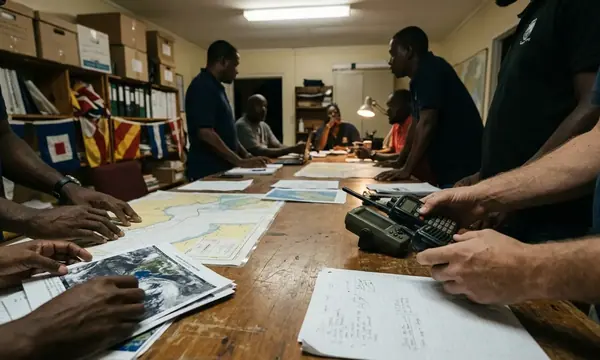
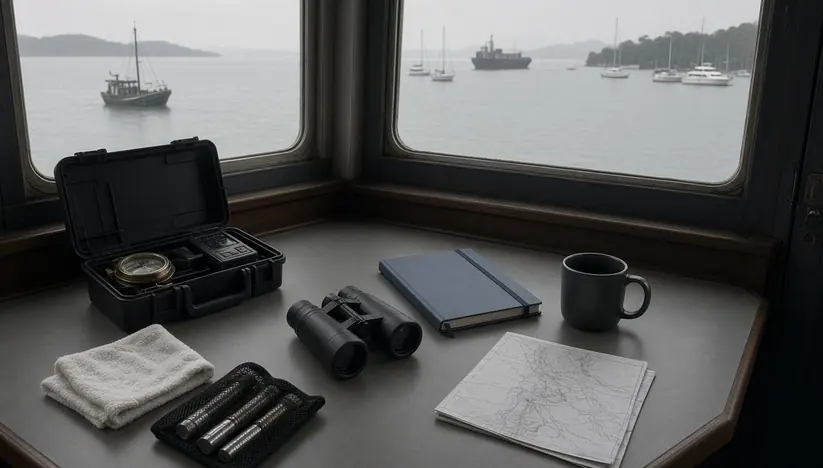
Radar still has a place in the watch, though ash-laden precipitation, sea clutter, and weak targets can complicate interpretation. I would keep a separate note of what the lookout can actually identify, then compare it with the plotter and radar rather than allowing either display to settle the question alone. GPS-only coasting leaves too little room to detect a mistaken assumption about the vessel’s surroundings.
The traffic problem sharpens near the Bocas del Dragón, on the approaches to Chaguaramas, and in Tobago roadsteads. Fishing craft, commercial movements, and anchored yachts call for an active lookout even when visibility feels merely dull rather than severely restricted. A skipper can reduce speed, put another person on watch, and defer a confined approach until there is enough light to identify both shoreline and traffic. Aviation-derived volcanic ash advisories belong in the daily VHF weather log alongside the marine forecast, with the issue time recorded so the crew knows which information it is using.
Tephra in Filters, Winches, and Running Rigging
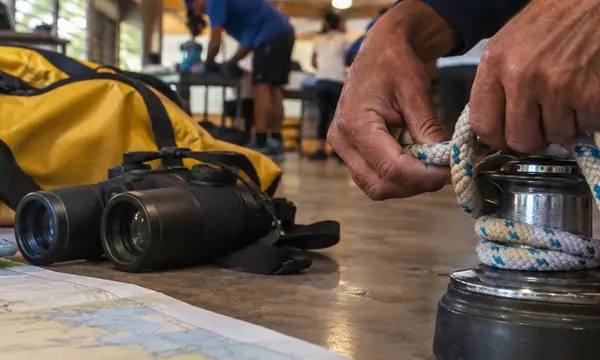
Ash left on deck becomes a mechanical concern when spray carries it into moving parts. In winches, rope clutches, travellers, tracks, and furling gear, fine particles can work against loaded surfaces. Grinding a stiff winch before checking it risks scoring a drum. A pale film across solar-panel glass also cuts the light reaching the cells, so a crew relying on solar charging should check output after cleaning.
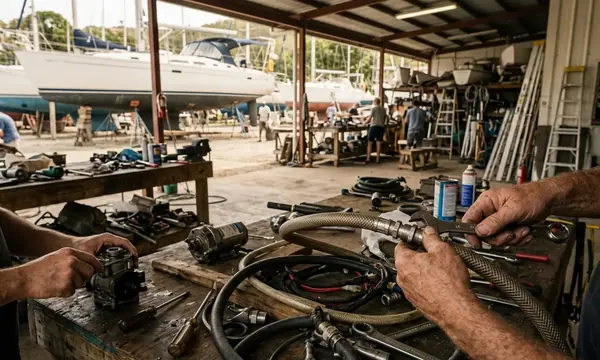
Below deck, inspect the engine air filter for deposited dust. Check the raw-water strainer for material drawn in with seawater, then examine the impeller and its housing before an engine restart. Tephra-induced impeller housing scoring is the sort of damage a quick look at the deck will miss. The practical order is air filter, strainer basket, impeller, then winches and travellers; work through it before starting the engine or loading the sheets. Note what was found and whether a part was cleaned or replaced, so the next watch does not mistake an unchecked system for a cleared one.
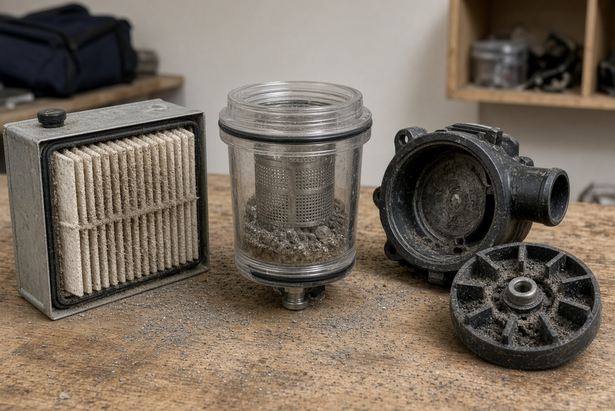
After the machinery checks, ease and inspect the deck gear rather than forcing it through resistance. Look into exposed winch areas, along traveller tracks, and where running rigging enters clutches or furling equipment. Rinse loose deposits away from those openings where possible; then clean and lubricate components in accordance with their equipment instructions. Salt and abrasive ash left together deserve prompt attention.
Ash in Tanks, Catchment, and Watermaker Membranes
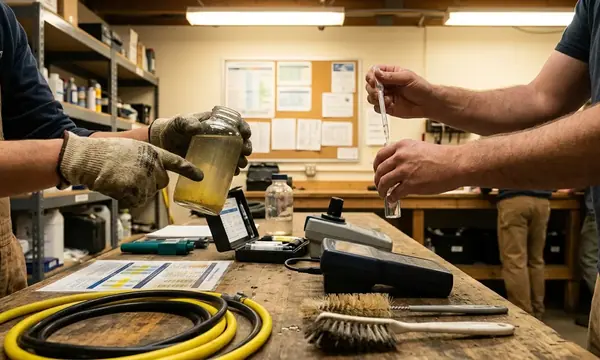
Freshwater contamination has several routes aboard a yacht. A deck catchment directs whatever settles on the deck toward storage. An unsecured filler cap or tank vent can admit fine fallout, while a watermaker intake can draw affected feed water into pre-filters. Once ash reaches a tank or filter housing, the question becomes harder than cleaning a visible surface.
Isolate the freshwater system as soon as an ash advisory threatens the boat. Close filler caps, secure vulnerable vents, bypass rain-catchment, and shut down the watermaker while ash is falling or remains on the deck. Ash-laden feed water can foul pre-filters and place avoidable load on a membrane. Save the water already aboard for essential use, and keep any suspect source separate until the intake and filtration path have been checked.
At a Chaguaramas marina berth with an active dock-water supply, wait for fallout to stop before flushing the deck with known-clean water. Direct the runoff away from tank fills, vents, self-tailers, and open lockers. Check the catchment surface and fittings before reconnecting it, and reopen tank fills only after the surrounding deck is clean. An anchored yacht in a Tobago roadstead cannot assume access to pressurized dock water; there, keeping catchment isolated is more practical than sending ash-bearing runoff toward a tank.
Holding in Trinidad and Tobago While Advisories Move
A fair wind does not settle a northbound departure from Trinidad if an ash advisory covers the intended track. The sheltered waters of the Gulf of Paria, together with access to Chaguaramas yards and parts, give a crew a useful holding option. Staying on the hard or at a berth may also allow inspections that would be awkward during a passage. The cost of a delayed hop needs weighing against the consequences of an impaired engine or uncertain visibility between landfalls.
I would review the advisory’s issue time and projected movement against the planned rhumb line, then mark an alternative landfall before committing to sea. Fuel and drinking-water margins should cover that diversion and a slower approach. If the advisory continues across the route, cancel the departure even if the ordinary weather window looks attractive. A clean forecast for wind and swell answers a different question from one about airborne ash.
YSATT documents yachting services, safety, and regulations in Trinidad and Tobago. Its directories can help a crew locate yard or marina support while holding, but this hub is not a volcano observatory and does not replace official ash advisories or coastal radio. Before departure, check current notices again and keep clearance requirements in the plan, including the Single harmonised Immigration clearance form where applicable. For a developing safety concern in local waters, use verified marine communication channels, including those for the TTCG: Trinidad and Tobago Coast Guard.
A Worked 48-Hour Ash Drill at a Chaguaramas Berth
Take a cruising yacht secured at a Chaguaramas marina. Its crew receives a southern Caribbean volcanic ash advisory describing a possible plume toward Trinidad waters. The next northbound leg is on the passage plan, but the yacht remains alongside while the crew checks whether that plan is still sound.
Hours 0–2: Seal and Record
- Enter the advisory source, issue time, and stated area in the vessel’s weather log. Mark the intended route against it and note when the next update is expected.
- Close hatches, companionway openings, exposed vents, and freshwater filler caps. Bag the winches and protect the companionway without obstructing a safe exit.
- Shut down the watermaker and disconnect rain-catchment. Photograph the engine air-filter housing and raw-water strainer as a baseline, before any deposits appear.
Hours 2–24: Hold the Boat Quiet
Keep the yacht on its berth and leave the engines off unless a loss of shore power makes their use necessary. Do not collect rainwater. Compare each new advisory with the logged version and tell the crew which one governs the departure decision. If ash settles, leave deck rinsing until fallout has stopped. Then use dock water to carry residue off-deck, steering the flow away from self-tailers, tank fills, vents, and open lockers. Open and inspect the air filter, strainer, and impeller before considering an engine start.
Hours 24–48: Test the Departure Decision
Check cleaned solar panels against the boat’s usual charging behaviour, then examine winches, travellers, and running rigging for grit or binding. Confirm that the deck around the freshwater fittings is clean before restoring catchment. Recheck the ash advisory and the route, including an alternative landfall and the fuel and water reserved for it.
The crew now has a usable decision: if the route remains under an ash advisory, it records a postponed departure and stays at Chaguaramas. If the advisory has cleared the intended track and the intake, engine, deck gear, and freshwater checks are satisfactory, it logs those checks, briefs the next watch, and prepares to leave on the updated passage plan.