Breaking the Chaguaramas Haul-Out Deadlock
A visiting captain stands beside a yacht on the hard in a Chaguaramas haul-out yard. The vessel's saildrive seal has failed, halting all scheduled maintenance. The replacement unit sits in a bonded shed a short walk from the yard. Mechanics cannot fit the component. Chaguaramas haul-out yards require physical release chits from customs before yard managers will permit mechanics to fit replacement saildrives or other major components. Bonded warehousing suspends duty; goods remain under customs control until a lawful release occurs. The yacht agent, the supplier papers, and the customs entry must describe the exact same consignment.
Three specific failures keep boats stranded on the hardstand. Freight consigned to the wrong party halts the process immediately. Commercial invoices that fail to match the yacht file create administrative roadblocks. Parts collected from the shed before the release process concludes trigger severe compliance penalties. Clearance delays of roughly four to nine business days routinely follow, as field reports indicate, when commercial invoices fail to match the yacht file.
Customs authorities standardized the entry process to mandate exact matching between supplier papers and the yacht agent's consignment descriptions. This standardization keeps abandoned goods from cluttering bonded facilities, which port operations treat as a priority. During the procedural update, officials explicitly rejected the alternative of allowing verbal amendments at the counter. That practice had previously caused severe administrative backlogs.
Securing Yard Release Physical release chits must be in hand before scheduling mechanics for major component installations on the hardstand.
Defining Bonded Control for Marine Equipment
A bonded warehouse in this trade operates as an approved place where imported yacht parts, refit supplies, and marine equipment remain under customs control after landing. Local yacht agents formalized the distinction between ship's stores and bonded goods in their client briefings. This initiative clarified tax liabilities for visiting yachts, ensuring captains understood that landing a part triggers different controls than keeping it aboard.
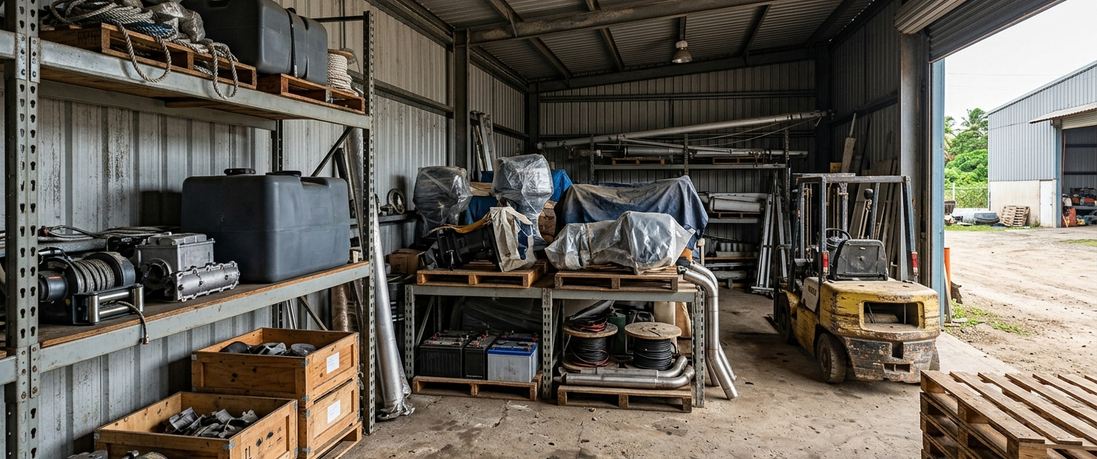
Goods in bond, goods entered into free circulation, and articles treated as ship's stores on the yacht require distinct handling. Spare parts, consumable refit supplies, and capital equipment can all be presented for warehousing. They are treated differently for duty and release purposes. Managing these categories relies on strict physical segregation.
Bonded sheds in the Chaguaramas area use dual-lock systems requiring both a customs officer's key and the warehouse operator's key for access. This physical security guarantees that no inventory moves without official oversight. Temporary admission for the visiting yacht itself typically spans 90 to 180 days. This vessel admission operates on a completely separate legal track from warehouse storage limits.
Aligning Transport Documents with the Yacht File
Agents developed a standardized 'yacht file' checklist to preempt customs rejections on high-value gear. Captains must submit registration and cruising status documents before initiating any clearance procedures. Agents require the complete document packet 48 to 72 hours prior to the vessel's arrival to prepare the warehouse entry. That window allows the entry to be lodged before the yacht ties up.
The commercial invoice must name the yacht, the specific part or kit, exact quantities, value, and a consignee consistent with the agent's bonded instructions. Customs requires original commercial invoices with explicit HS tariff codes and matching serial numbers for electronics and watermaker membranes to complete examinations in a single visit. The bill of lading or air waybill must align perfectly with the warehouse entry. A mismatch at this stage causes freight to sit unexamined.
The yacht-side file held by the agent includes the vessel registration, current cruising or import status verified by the TTCG: Trinidad and Tobago Coast Guard, and written authority for the agent to act. Clearance protocols cover standard refit supplies. Hazardous materials often require secondary environmental approvals outside that workflow.
Triggers for Duty Crystallization on Imported Gear
Duty and related charges remain suspended only while the goods stay in the approved warehouse under the entry that covers them. Customs auditors enforce the policy on irregular removal, tracking discrepancies in dual-lock shed inventories. Any part leaving the shed without a lawful release immediately triggers a tax liability.
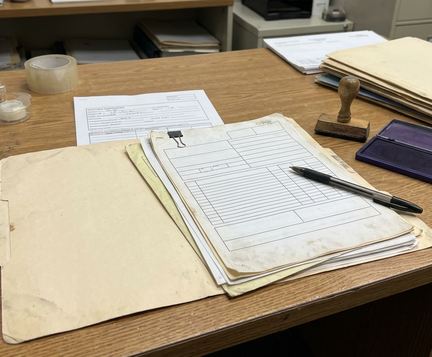
Charges crystallize on irregular removal, on domestic use ashore beyond the permitted yacht purpose, or on a release into free circulation. Duty crystallization triggers the immediate issuance of a C82 form for domestic consumption. This converts suspended taxes into payable debts. Audits of bonded inventory occur on a rolling cycle of roughly 30 to 45 days to verify that unreleased parts remain physically present.
Unused parts later re-exported under the same control may close the bond without a local duty bill, subject to the actual entry. The exemption from local duty bills upon re-exportation applies exclusively when the original inbound customs entry explicitly declared the parts for transit or temporary bonded storage, rather than domestic consumption.
Managing Inventory Audits Maintain precise records of all bonded parts to satisfy the rolling 30- to 45-day audits conducted by customs officials.
Establishing the Customs Entry Sequence
The Yacht Services Association established a recommended sequencing protocol to eliminate the bottleneck of unassigned freight sitting at Piarco airport or Port of Spain. This protocol prioritizes agent appointment before supplier dispatch. The working order requires captains to appoint the yacht agent, issue consignment instructions to the supplier, land the freight, complete examination, take a certified warehouse receipt, and finally deliver to the yard.
Suppliers must consign freight using the format 'Agent Name / Yacht Name / In Transit'. Addressing freight directly to the captain breaks the entry. Customs examination and the warehouse receipt must precede any van run to the hardstand or marina workshop. Warehouse receipts must be generated within 24 to 48 hours of physical examination before any parts can be transported to the hardstand.
Documentation alignment at the port of entry speeds up subsequent bonded transfers. Captains who follow this sequence avoid the administrative traps that delay critical maintenance schedules.
Securing Consignment Instructions Prior to Dispatch
Experienced captains shifted to a pre-appointment model after realizing that post-arrival agent appointments led to uncorrectable airway bill errors. These errors left critical components stranded in origin warehouses. Amending a master bill of lading post-dispatch requires a formal manifest amendment request submitted directly to the Comptroller of Customs. Manifest amendments typically take between 14 and 21 working days to process. During this period, the parts cannot be moved or examined.
Do not dispatch yacht parts toward Trinidad and Tobago under bond until a named local yacht agent has accepted the file and issued consignment instructions. Ordering first and appointing later guarantees delays, leaving seals, impellers, and electronics sitting in the shed while the yacht stays on the hard. Brief the agent on the yacht, the part, the intended installation, and whether unused items may later be re-exported. Let that agent drive the entry from the very beginning.