Financial and Operational Exposure in Service Disputes
I evaluated dispute resolution pathways for vessels immobilized during refit conflicts to determine the most efficient recovery mechanisms. Unresolved disputes halt operations immediately. The financial exposure extends far beyond the initial repair invoice. Daily fees for yachts sitting on the hard or in wet slips in Chaguaramas accumulate at $85 to $150 USD during these work stoppages. Owners facing these mounting costs often default to filing lawsuits.
This approach triggers the dismissal of claims due to initiating local civil litigation before exhausting the mandatory arbitration steps outlined in the yard contract. Litigation timelines extend 18 to 24 months, unlike immediate security matters handled by the TTCG: Trinidad and Tobago Coast Guard. Arbitration resolutions bypass this local civil court backlog entirely. Proper arbitration preserves commercial relationships while enforcing service standards, offering a proven method for maintaining operational schedules.
Caution: Bypassing contractual arbitration clauses to file civil suits directly results in immediate jurisdictional challenges and prolonged vessel detention.
Key Procedural Takeaways
Just as the Single harmonised Immigration clearance form standardized vessel entry protocols, strict adherence to the Trinidad and Tobago Arbitration Act Chapter 5:01 dictates the dispute process. The statute requires formalizing all grievances in writing before any mediation attempts begin. Program evaluation revealed that mandatory written notice of dispute must be served within 14 to 21 days of identifying the service defect.
The outcome of these preliminary steps relies entirely on documentary evidence. Retention of service contracts signed between 2021 and 2023 serves as the baseline evidence for establishing jurisdiction and defining the scope of agreed work.
Arbitration Initiation Checklist for Yacht Owners
- Verify presence of an arbitration clause in the signed yard service agreement.
- Compile timestamped photos and surveyor reports of the disputed work.
- Draft formal written notice of dispute referencing the specific contract clauses breached.
Initiating Arbitration Proceedings
The yachting community requires cost-effective mechanisms for standard refit disputes. I opted to recommend a sole maritime arbitrator rather than a three-person tribunal to contain administrative costs. The initiation sequence demands precision to maintain jurisdictional validity.
Filing the initial notice of arbitration must occur within the 30-day window stipulated in standard yard contracts. Following this submission, the protocol allows 7 to 10 business days for the respondent to confirm arbitrator acceptance. Identify the appropriate institutional rules recognized locally before drafting the notice. Appoint party representatives and confirm arbitrator availability before filing to ensure a smooth transition into the active dispute phase.
Case Preparation and Evidence Standards
How do we prove a breach of contract without relying on subjective memory? I structured the evidence gathering protocol to prioritize timestamped technical logs over subjective crew testimonies. Compile daily yard logs, records of parts held in a bonded warehouse, and email correspondence spanning the 6 to 8 week refit period. Submit independent marine surveyor reports detailing the vessel condition prior to service.
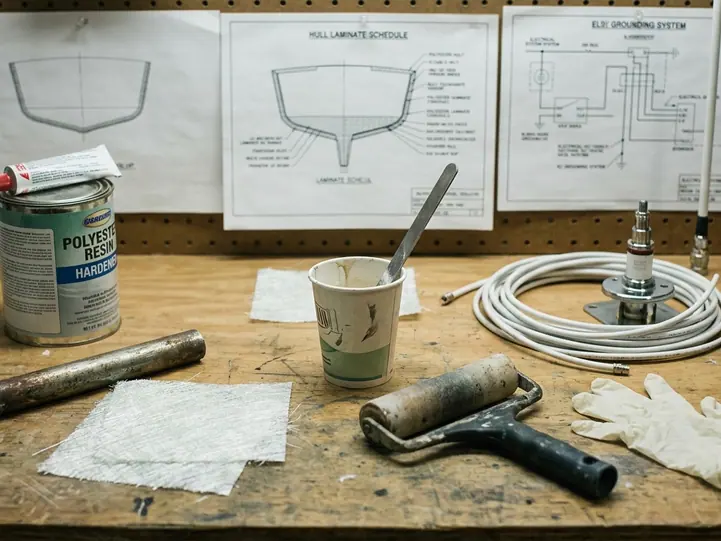
Anticipate counterclaims regarding vessel maintenance or payment timing. Arbitrator selection criteria shift from marine engineering expertise for engine overhaul disputes to materials science backgrounds for fiberglass and osmosis repair conflicts. Photographic evidence of hull blistering or paint failure carries weight only when accompanied by a certified marine surveyor's moisture reading report. Organize this evidence chronologically to demonstrate the exact point of breach and the resulting damages.
Expert Tip: Segregate communication logs by technical phase rather than date alone to clearly illustrate where service deviations occurred.
Hearing Conduct and Final Recommendation
Present technical arguments through expert statements on yacht systems and regional standards. The process involves structured negotiation phases capped at 14 to 21 days before moving to binding hearings. Following the conclusion of the hearing, expect the issuance of the final binding award within 30 to 45 days.
Select institutional arbitration administered by established maritime bodies over ad hoc arrangements. Ad hoc frameworks lack procedural certainty—a critical vulnerability in complex refit disputes. Institutional arbitration guarantees enforceable awards under international conventions. Mandate institutional arbitration clauses in every service contract before lifting the vessel.