



Destinations
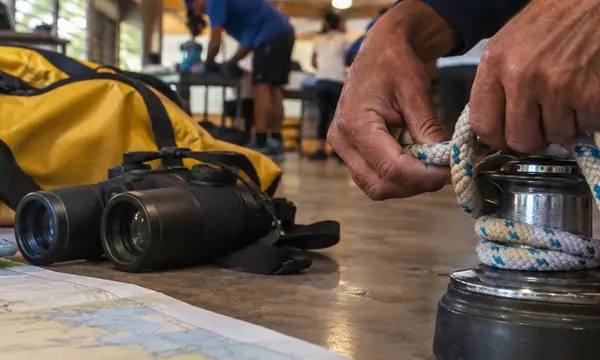
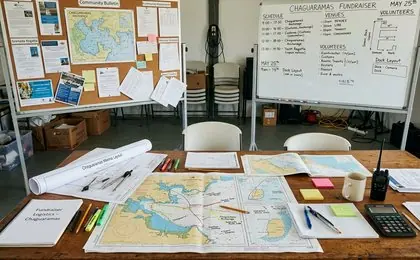
Key harbors, marinas, and cruising locations, including Chaguaramas and route planning for Grenada passages.
Founded by marine specialists with decades of regional experience, YSATT provides verified protocols and directories trusted by cruisers and professionals navigating Trinidad and Tobago waters.
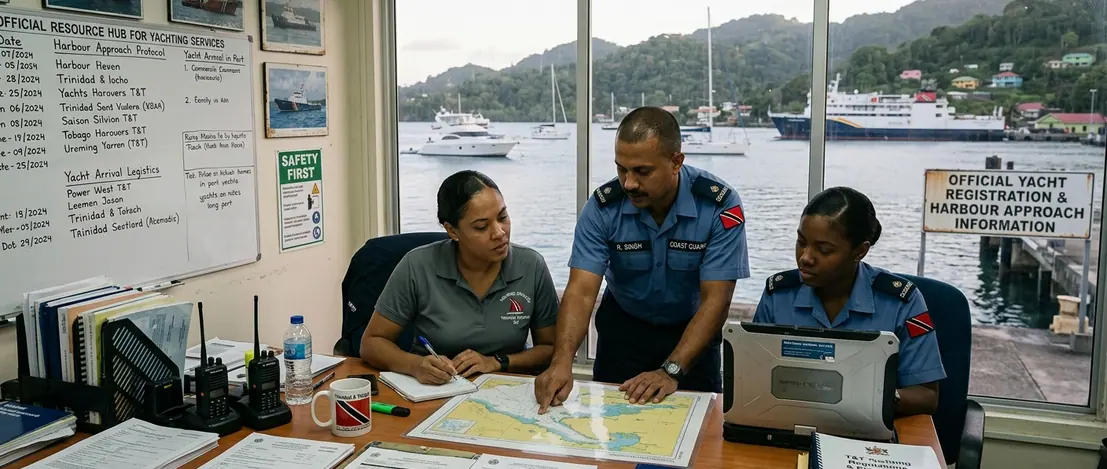
A skipper arriving off Chaguaramas does not need a stack of half-remembered dock conversations. They need to know where to check procedures, who handles marine services, how to prepare a float plan, and where local association support begins. This hub is built for that kind of use.
Most visitors come here with a practical question already in hand. The categories below follow that pattern: destination planning first, then yard work, safety, clearance, environmental responsibility, and association support.
Key harbors, marinas, and cruising locations, including Chaguaramas and route planning for Grenada passages.
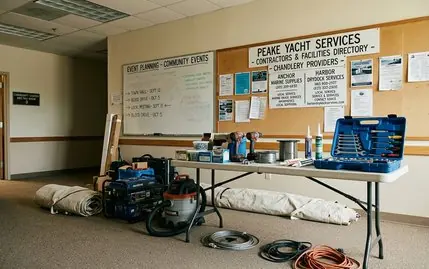
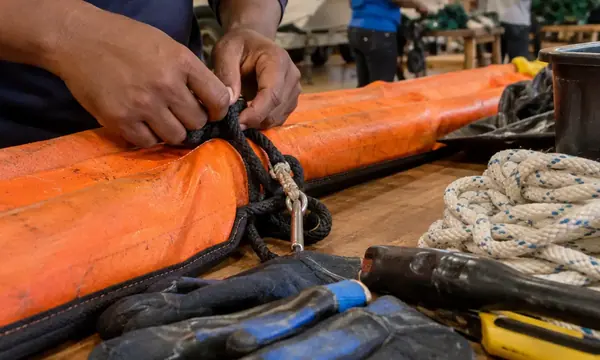
Directories and guidance covering marine contractors, haul-out facilities, chandlery providers, and service coordination.
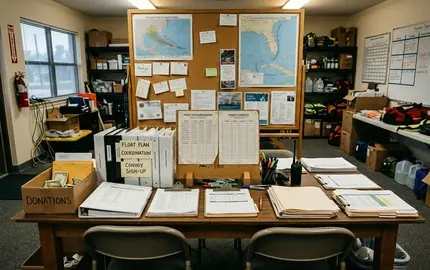
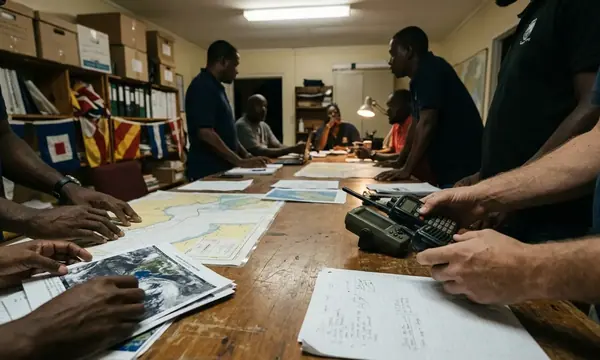
Float plans, convoy coordination, hurricane preparation, and security guidance for local and regional movement.
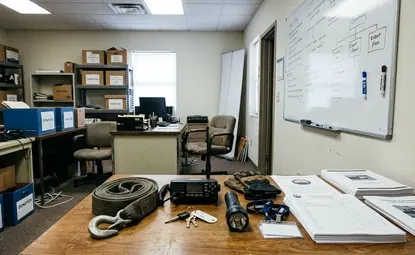
Customs, immigration, coast guard, and bonded warehouse procedures for arriving, departing, and operating locally.

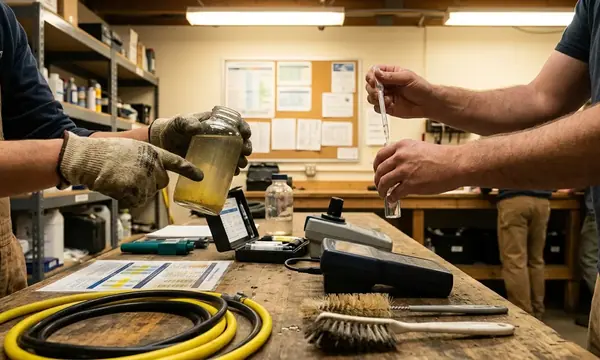
Marine conservation initiatives and practical environmental protection efforts tied to the cruising community.
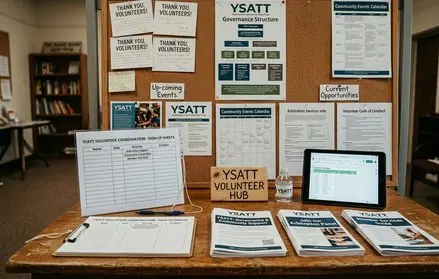
YSATT governance, member information, dispute pathways, and association services for yacht owners and marine businesses.
A float plan is useful only if someone can read it, share it, and act on it when the boat is late. That is the working standard behind the safety material here.
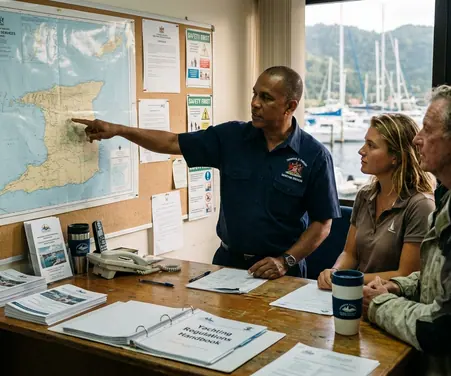
Community feedback indicates that cruisers want plain guidance before they leave the dock: what to file, who to notify, how convoy coordination works, and what changes during hurricane season. YSATT’s safety pages keep those questions close to the surface instead of burying them in policy language.
Before a passage, the focus is preparation: route notes, weather awareness, contact points, and crew expectations. During movement, it shifts to communication discipline. After arrival, it becomes reporting, review, and better planning for the next leg.
Safety guidance is maintained for recreational cruisers and marine professionals operating around Trinidad and Tobago waters, with emphasis on practical passage preparation rather than offshore racing or commercial vessel operations.
For a deeper working checklist, see the guidance on yacht safety and security in Trinidad.
Clearance questions tend to arrive at awkward times: after a long sail, before a yard booking, or when parts are stuck in a paperwork loop. YSATT separates regulatory information from service directories so each job has a clear path.
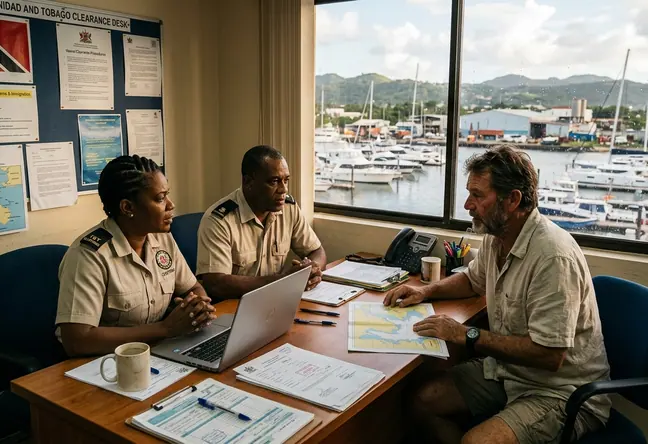
Use the clearance section for customs, immigration, coast guard, and bonded warehouse procedures. The aim is not to replace the relevant authority; it is to help cruisers arrive prepared with the right questions and documents.
Use the services section when planning haul-outs, repairs, chandlery visits, or contractor engagement. When disputes arise, the association’s arbitration resources provide a structured route for service-related concerns.
The local marine economy works best when owners, captains, yards, and officials start from the same page. That is the reason this hub keeps regulatory steps beside service information rather than treating them as separate worlds.
For practical yard context, the page on YSATT moorings and cruiser reviews gives cruisers a grounded place to begin.
Trinidad and Tobago’s yachting community depends on clean anchorages, functioning mangroves, careful waste handling, and operators who understand that a careless shortcut can outlast a cruising season.
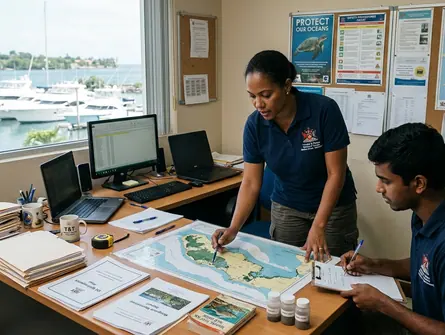
The environmental program area connects marine conservation initiatives with the daily habits of cruising: bilge awareness, waste disposal, sensitive shoreline areas, and support for local protection efforts. It is not framed as decoration around the sport. It is part of keeping the cruising grounds usable.
Before intervention, environmental work can look like isolated cleanups or quiet concern from a few skippers. During engagement, it becomes coordinated information, contribution pathways, and visible local projects. The outcome is a yachting community that understands where its footprint lands.
The YSATT Marine Environment Fund gives cruisers and marine businesses a focused route to support conservation work tied to the waters they use.
YSATT’s editorial and program direction draws on marine safety, regulatory compliance, and boatyard operations experience. The work is practical by design: answer the question a skipper, owner, or contractor is likely to ask next.

Marine Safety Analyst focused on cruising safety, passage preparation, and risk-aware communication for local and regional movement.
Regulatory Compliance Strategist focused on clearance processes, documentation flow, and practical interpretation for cruisers.
Boatyard Operations Director focused on service coordination, contractor expectations, and facilities information.
When planning a Trinidad stop, start with the decision that carries the highest consequence: clearance timing, haul-out scheduling, hurricane preparation, or onward passage. Which one will cost you the most if you leave it vague?
Understand the community's needs.
Deliver programs that create real impact.
Share outcomes with transparency.