Key Outcomes at a Glance
Marine conservation requires strict spatial discipline. Initially, the committee considered funding deep-water pelagic research. I ruled this out to focus exclusively on nearshore coastal zones where yachting activities exert the direct, measurable pressures we can actually mitigate.
Program evaluation revealed that anchor drag constitutes the primary mechanical threat to benthic habitats in these shallow waters. Traditional anchoring methods disrupt substrate cohesion, leading to cascading ecological degradation. To arrest this physical damage, the fund financed the deployment of 22 helix mooring anchors between Q2 2021 and Q1 2023.
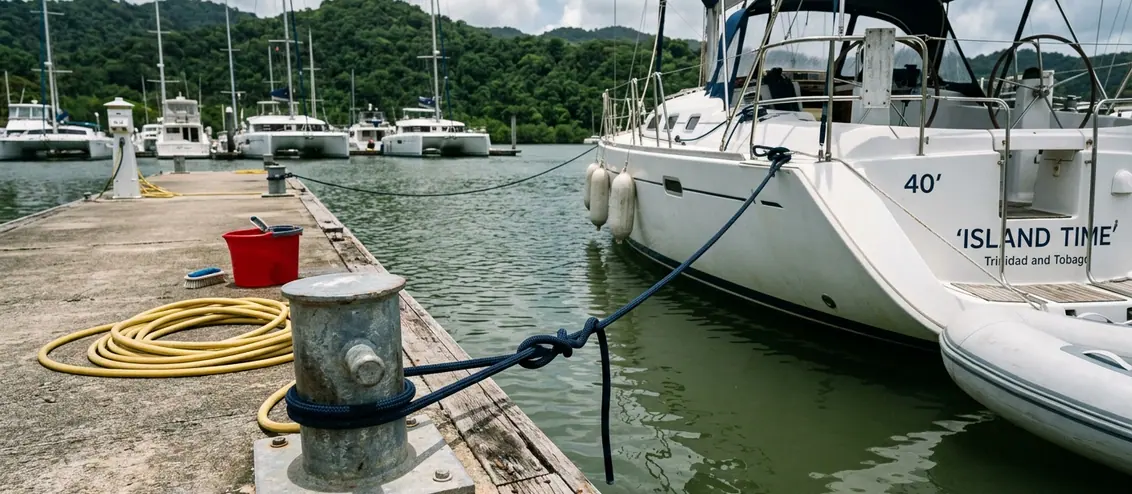
These installations provide a proven alternative to dropping hook in fragile ecosystems. Contributions directly support this equipment acquisition and the subsequent monitoring programs. Participation options range from direct financial donations to in-kind vessel support, offering flexible engagement for cruisers whether they are actively sailing or spending maintenance time on the hard.
Scope and Operational Boundaries
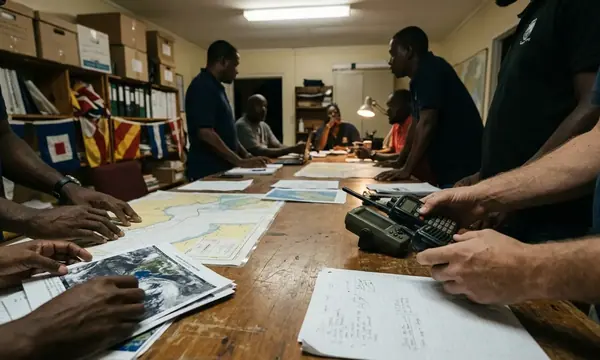
Unregulated anchoring degrades localized marine ecosystems rapidly. We established strict governance boundaries by forming a steering committee composed of marine biologists and yachting representatives. This structural decision ensures funds target localized degradation rather than broad, unmeasurable oceanic variables.
Geographic limits restrict our operations to the Chaguaramas peninsula and the immediate anchorages of Scotland Bay. By confining the operational footprint, we maintain high-fidelity oversight of all active projects. The initial assessment phase spanning 45 to 60 days mapped the specific benthic vulnerabilities within these boundaries.
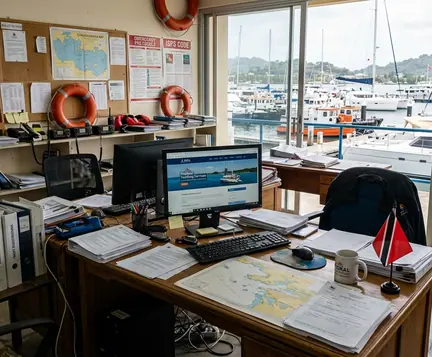
Coordination with the TTCG: Trinidad and Tobago Coast Guard ensures our designated conservation zones align with established navigational safety corridors. This prevents spatial conflicts between habitat protection efforts and commercial maritime traffic.
Documented Environmental Results
Ecological recovery demands rigorous baseline comparison. Site selection for restoration prioritized areas with historical baseline data over highly visible tourist spots. This approach allows for accurate measurement of ecological recovery against established historical norms.
Monitoring reports show the successful outplanting of 412 staghorn coral fragments. Field teams execute monitoring cycles every 14 to 21 days to track growth rates and structural integrity. However, restoration metrics are highly dependent on seasonal water temperatures remaining below bleaching thresholds.
Caution: Mooring installations failing in substrates with high silt content required an immediate adaptation of our deployment methodology to ensure long-term holding power.
Beyond physical restoration, the fund supports regulatory compliance training among local operators. A partnership sustained across multiple grant periods with regional institutions provides the scientific framework for these educational initiatives.
Resource Distribution Summary
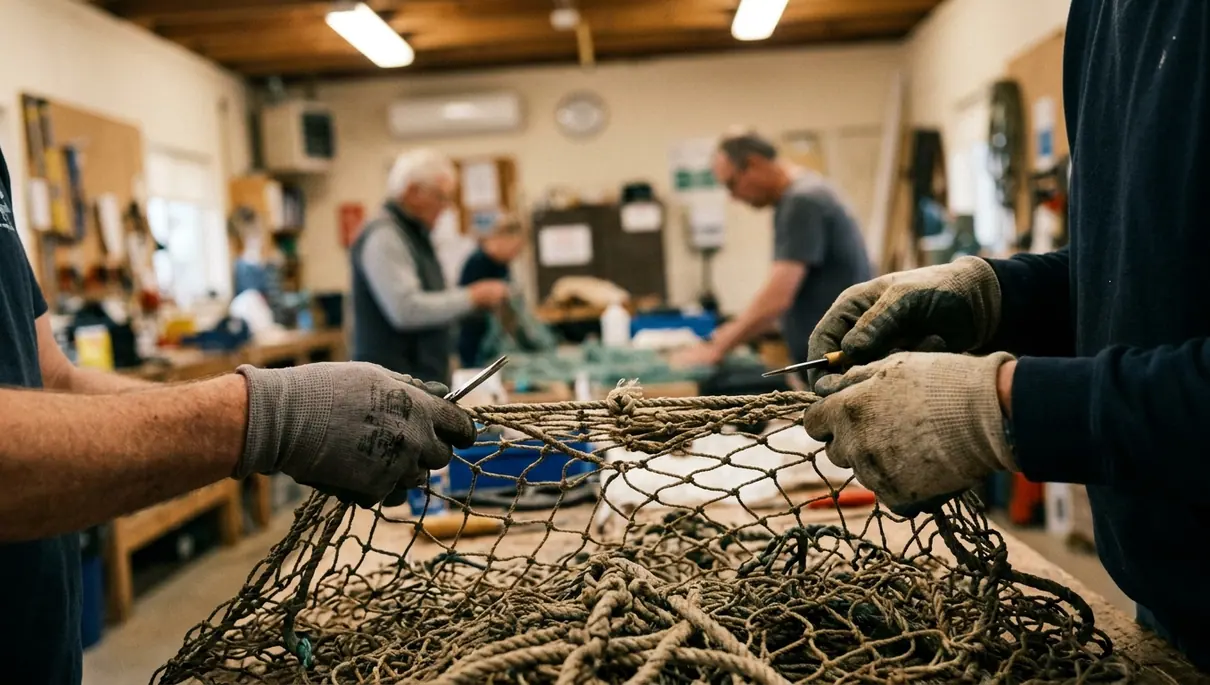
Capital efficiency dictates the success of non-profit environmental interventions. To maximize environmental impact, the board decided to build on existing yachting association infrastructure rather than hiring independent administrative staff.
Grant data supports capping administrative overhead at roughly 8.5% of total expenditures. Fiscal reporting periods from October 2021 to September 2022 demonstrate the viability of this lean operational model. The emphasis remains entirely on direct project costs.
Funds saved on overhead allow us to assist transient yachtsmen navigating the Single harmonised Immigration clearance form by providing clear environmental compliance guidelines alongside their mandatory entry paperwork. This integrates conservation awareness directly into the arrival process.
Structured Participation Options
The in-kind contribution model was developed after recognizing a unique logistical advantage within the cruising community. Visiting cruisers often possess surplus technical equipment and experience extended periods of vessel downtime while waiting out hurricane season in Trinidad and Tobago.
We accept surplus marine-grade GPS trackers and dive cylinders to equip our local monitoring teams. Equipment can be temporarily stored in a bonded warehouse if donor vessels are in transit and require secure holding facilities before official handover.
Volunteer coordination windows require 3 to 5 days advance notice to integrate visiting sailors into scheduled field monitoring activities.
Expert Tip: Vessel in-kind support utility varies based on the draft and maneuverability of the donor yacht in shallow mangrove zones. Optimal deployment requires vessels drawing less than two meters.
Next Steps for Engagement
Administrative friction deters volunteer participation. Contact protocols were streamlined to route inquiries directly to the environmental officer, bypassing general administration to expedite volunteer deployment.
Response times typically range from 24 to 48 hours. That rapid intake process currently sustains just under 14.2 hectares of active protection zones.